How Eco-Friendly T-Shirt Yarn Cuts Textile Waste
That old T-shirt in your drawer may be better raw material than trash. Instead of heading to a landfill, it can become yarn for baskets, rugs, coasters, and other useful DIY pieces.
Eco-friendly t-shirt yarn is simply fabric cut into long strips and turned into a soft, sturdy material for making things at home. More people are paying attention to it now because it saves money, reduces waste, and gives worn clothing a second life. The idea is simple, and the impact starts with one shirt.
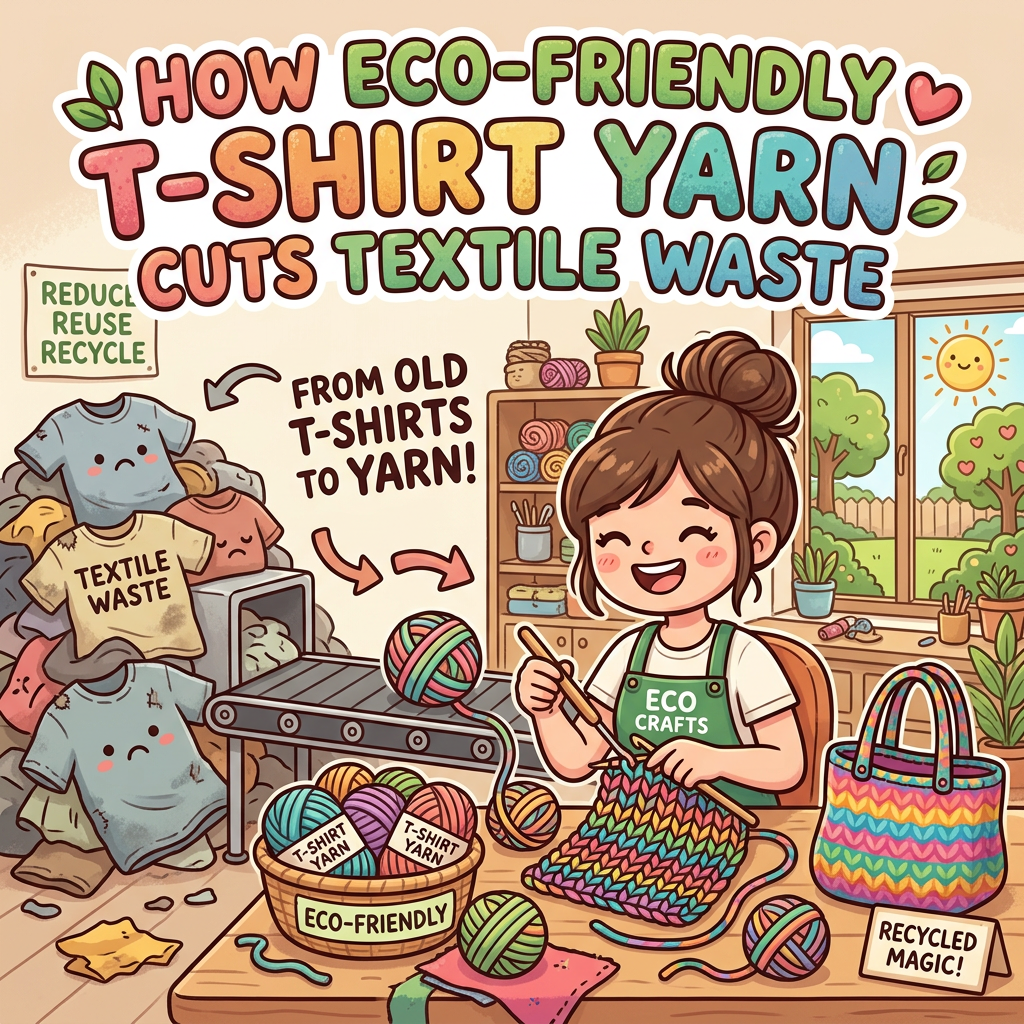
What t-shirt yarn is and why it keeps fabric out of the trash
T-shirt yarn comes from knit fabric, usually old cotton or cotton-blend shirts. When you cut that fabric into strips, it curls into a cord-like shape that works a lot like bulky yarn. That means stained, stretched, or outdated clothes can still be useful.
For many households, this is one of the easiest ways to reuse textiles. You don’t need a studio or special equipment. You need a shirt, scissors, and a reason to keep good material in use a little longer.
How old T-shirts become a usable yarn
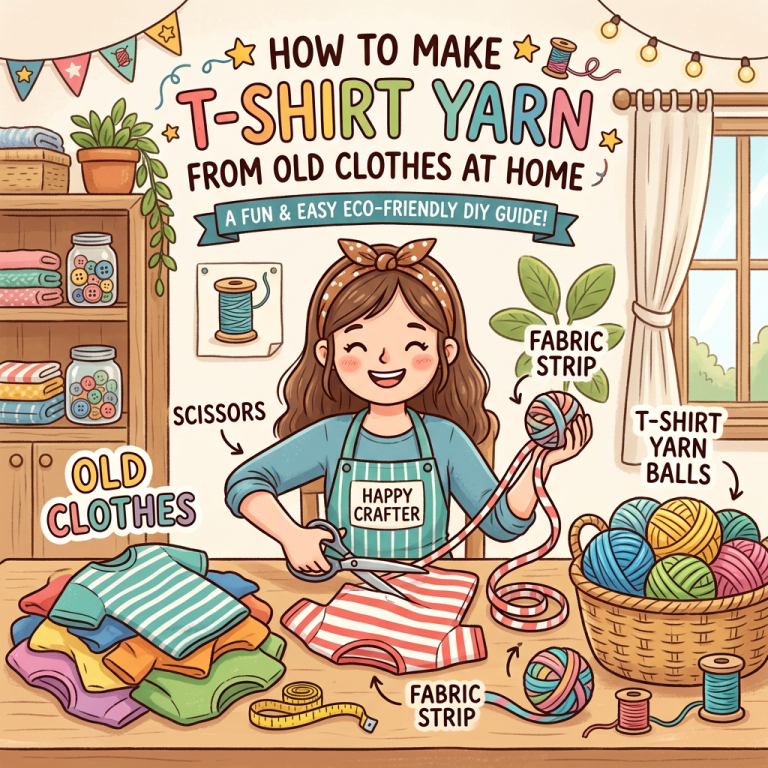
The basic process is easy to picture. First, you remove thick hems or seams. Next, you cut the shirt into strips, often in a spiral or loop method, so the fabric becomes one long piece. Then you stretch the strips slightly, and the knit edges roll inward.
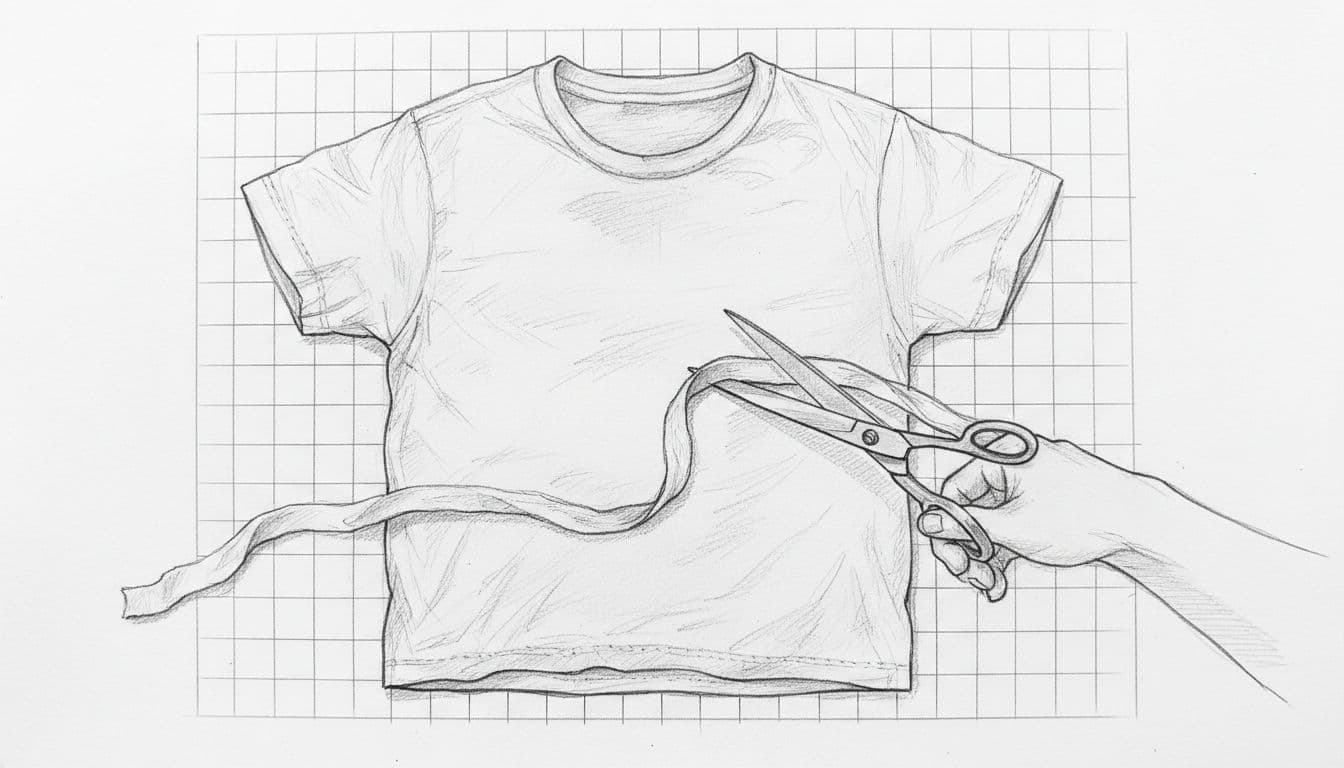
After that, you wind the strip into a ball. The result is a thick, flexible yarn that works well for home items and simple gifts.
Why this matters for textile waste
Textile waste adds up fast because clothes wear out, styles change, and low-cost garments are easy to toss. Reusing knit fabric at home slows that cycle. It keeps usable material out of the bin and puts it back into daily life.
That matters because even a single upcycled project changes how you see old clothing. A shirt is no longer just clothing. It can be future supply.
Get Started the Right Way!
Free T-Shirt Yarn Prep Guide
- Step by Step Prep
- What kind of t-shirts to use
- How to cut them
- How to roll and store them
- Mistakes to avoid!
The environmental benefits of choosing eco-friendly t-shirt yarn
When you reuse a shirt as yarn, the benefit goes beyond one project. You’re also reducing the need to buy new material for every basket, mat, or coaster you want to make. That small shift supports a more circular habit at home.
It gives worn-out clothing a second purpose
A shirt doesn’t need to be wearable to be useful. If it has a stain, a tiny hole, or a stretched neck, the fabric may still be strong enough for yarn. In many cases, the damaged part can be cut away, and the rest can still become something solid and attractive.
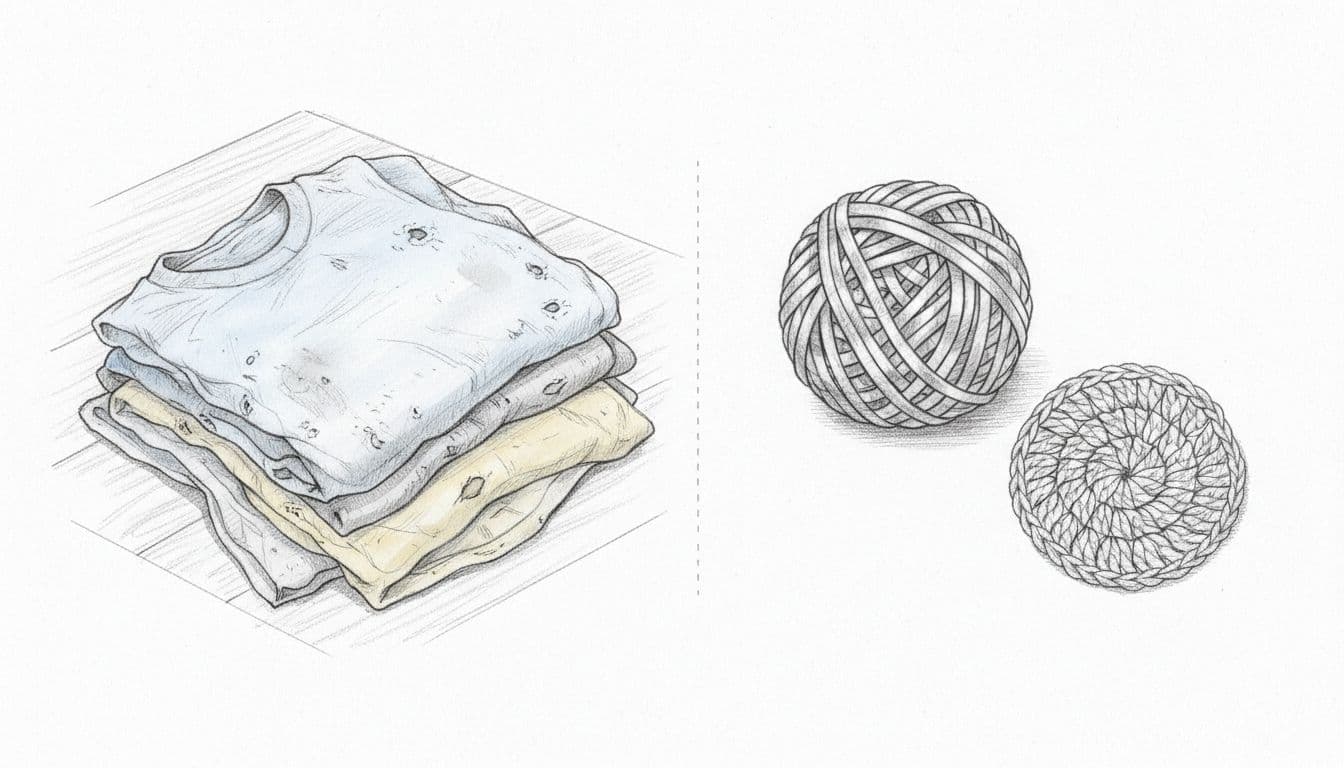
That gives old clothes a real second use, not a vague good intention. A forgotten shirt can become a coaster on your table or a storage bowl on your shelf.
It can help lower the need for new supplies
New yarn takes raw materials, water, energy, packaging, and shipping. Recycled fabric strips don’t erase that system, but they can reduce how often you buy into it. If you already have a stack of old tees, you already have supply on hand.
For budget-minded makers, that’s another plus. Less shopping often means less waste and fewer impulse buys.
It supports a less wasteful habit
T-shirt yarn changes how you approach DIY projects. Instead of starting with a shopping list, you start by checking what you already own. That mindset can spread to other materials too, like denim, fabric scraps, or plarn.
Over time, that habit builds a home studio with lower waste and more intention. You make fewer throwaway pieces, and you value the materials more.
Simple ways to make your own t-shirt yarn at home
Homemade t-shirt yarn is beginner-friendly because the setup is small. Most people need only sharp fabric scissors, a flat surface, and clean shirts or scraps. If you want smoother cuts, a rotary cutter and mat help, but they aren’t required.
Choosing the right shirts and fabric scraps
Soft, stretchy knit cotton works best. Jersey T-shirts are easy to cut, easy to stretch, and comfortable to handle. Lightweight blends can work too, as long as they aren’t slick or stiff.
Skip woven shirts, brittle fabric, and pieces that fray badly. Also pass on anything with heavy side seams, thick prints, or damage across most of the shirt.
Cutting and preparing the strips
Cut away bulky hems first. Then make strips with a similar width, because even strips create smoother yarn and a neater final piece. If you need a longer strand, join strips with a simple loop join or a small knot.
Don’t worry if your first ball looks uneven. Most beginners improve after one or two shirts.
Storing your yarn so it stays easy to use
Wind finished strips into balls and sort them by color, stretch, or thickness. That small step saves time later, especially if you like mixing materials for larger pieces.
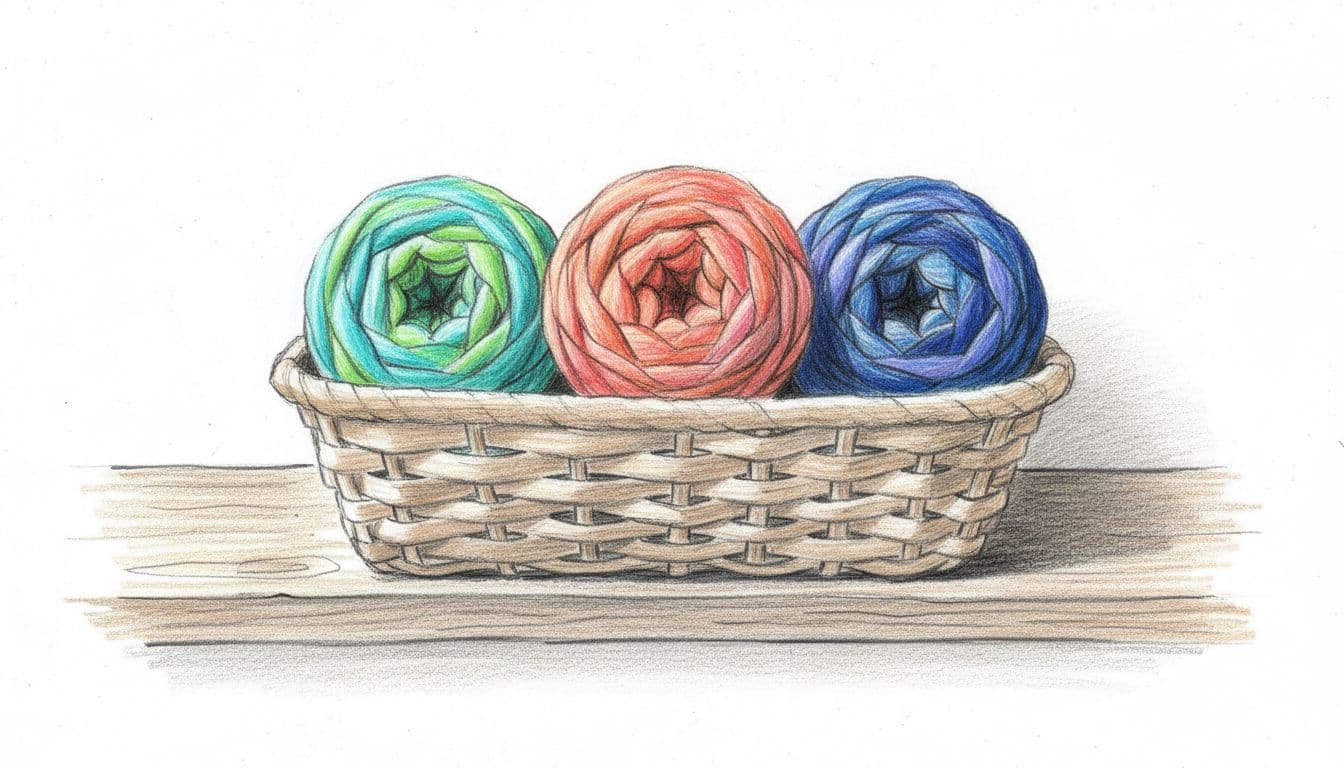
A basket, shelf bin, or simple tote works well for storage. Keep the yarn dry and loosely packed so it doesn’t flatten too much between projects.
Best projects for t-shirt yarn beginners
This material shines in projects that need body and structure. Because it is thick and durable, you can finish useful items faster than you would with thin yarn.
Small home items that are quick to finish
Coasters are a smart first project because they use little material and teach you how the yarn behaves. After that, many beginners move to small baskets, plant holders, rugs, and storage bowls. These items show the value of upcycled fabric right away because they solve an everyday need.
Giftable and marketable handmade goods
T-shirt yarn also works well for handmade gifts. A set of coasters, a catchall basket, or a hanging planter feels personal and useful. If you sell at markets, these pieces can fit a “trash to treasure” table without looking homemade in a sloppy way.
Clean color choices help. So does neat finishing.
How to pick projects that match the yarn weight
Thicker strips suit sturdy items like rugs and baskets. Thinner strips work better for smaller pieces or projects with tighter detail. If your yarn varies a lot, use it for relaxed designs where texture looks intentional.
How to make your t-shirt yarn projects last longer
Good results start with good prep. Strong fabric, even strip width, and the right tool all help your work hold its shape over time.
Choosing the right stitch or tool for the job
Large crochet hooks are common because they handle bulky fabric well. Knitting needles can work too, although thick strips may feel heavy. For simple mats or wall pieces, weaving is also a solid option.
Keeping finished pieces neat and strong
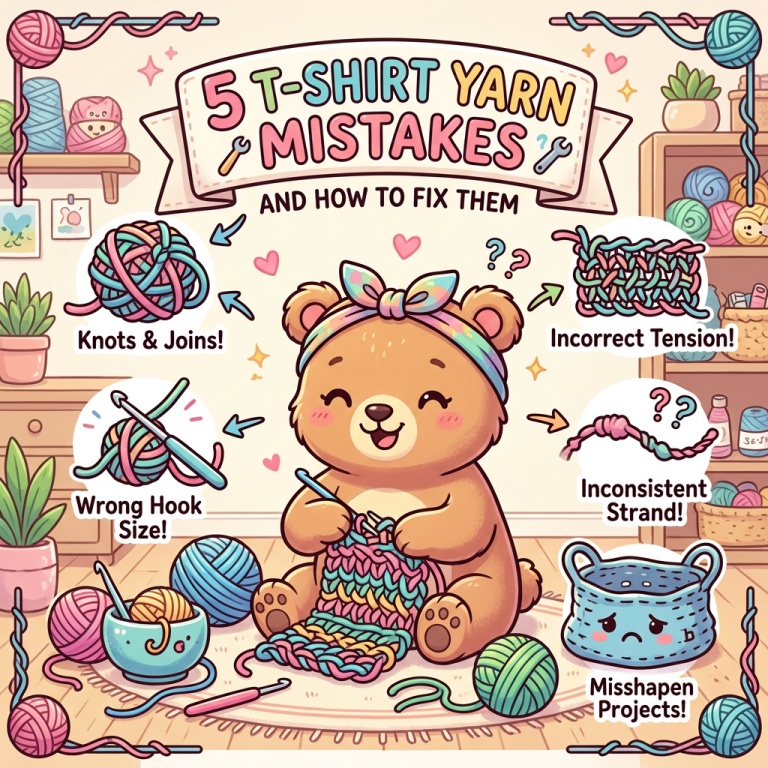
Smooth joins matter because bulky knots can distort the shape. Keep your tension steady, especially around corners and edges. When the last row looks tidy, the whole project looks better.
When to mix t-shirt yarn with other recycled materials
Sometimes a blend works best. You might pair T-shirt yarn with plarn for extra structure, or with thinner scrap yarn for detail and contrast. Mixed materials can improve strength or change the look without adding brand-new supplies, and our guide to crocheting with plarn covers the best stitches and hook sizes to get started.
A Small Shift With Less Waste
A worn-out shirt doesn’t have to end its life in the trash. With a few cuts and a little time, it can become useful yarn for pieces you’ll keep, gift, or sell.
That is the quiet appeal of T-shirt yarn. It turns something overlooked into something practical. Start with one shirt and one small project, and you’ll see how much value was sitting in the drawer all along.
One Comment
Comments are closed.